
Interesting Facts About Auto Security Systems
Car thefts and break-ins remain a concern for drivers across the United States, making vehicle protection more important than ever. Thankfully, modern auto security systems have evolved far beyond the simple car alarms of the past. Today's systems use cutting-edge technology to detect threats, deter criminals, and even help recover stolen vehicles.
Whether you drive a compact sedan, luxury SUV, or classic car, understanding how these systems work—and how they've advanced—can help you make informed decisions about keeping your vehicle safe. In this article, we'll explore some of the most interesting facts about auto security systems, their history, their technology, and the benefits they bring to everyday drivers.
Modern Systems Offer Far More Than Just Noise
Early car alarms relied solely on sound—a loud siren meant to scare off potential thieves. Today, security systems are far more complex and interconnected. They can automatically lock doors, disable ignition systems, and even notify owners through smartphone alerts.
Some of the latest models use GPS tracking to pinpoint a stolen vehicle's location in real time, while others integrate with smart home systems or voice assistants. You can now check your car's security status, lock or unlock doors, and receive tamper alerts from anywhere in the world.
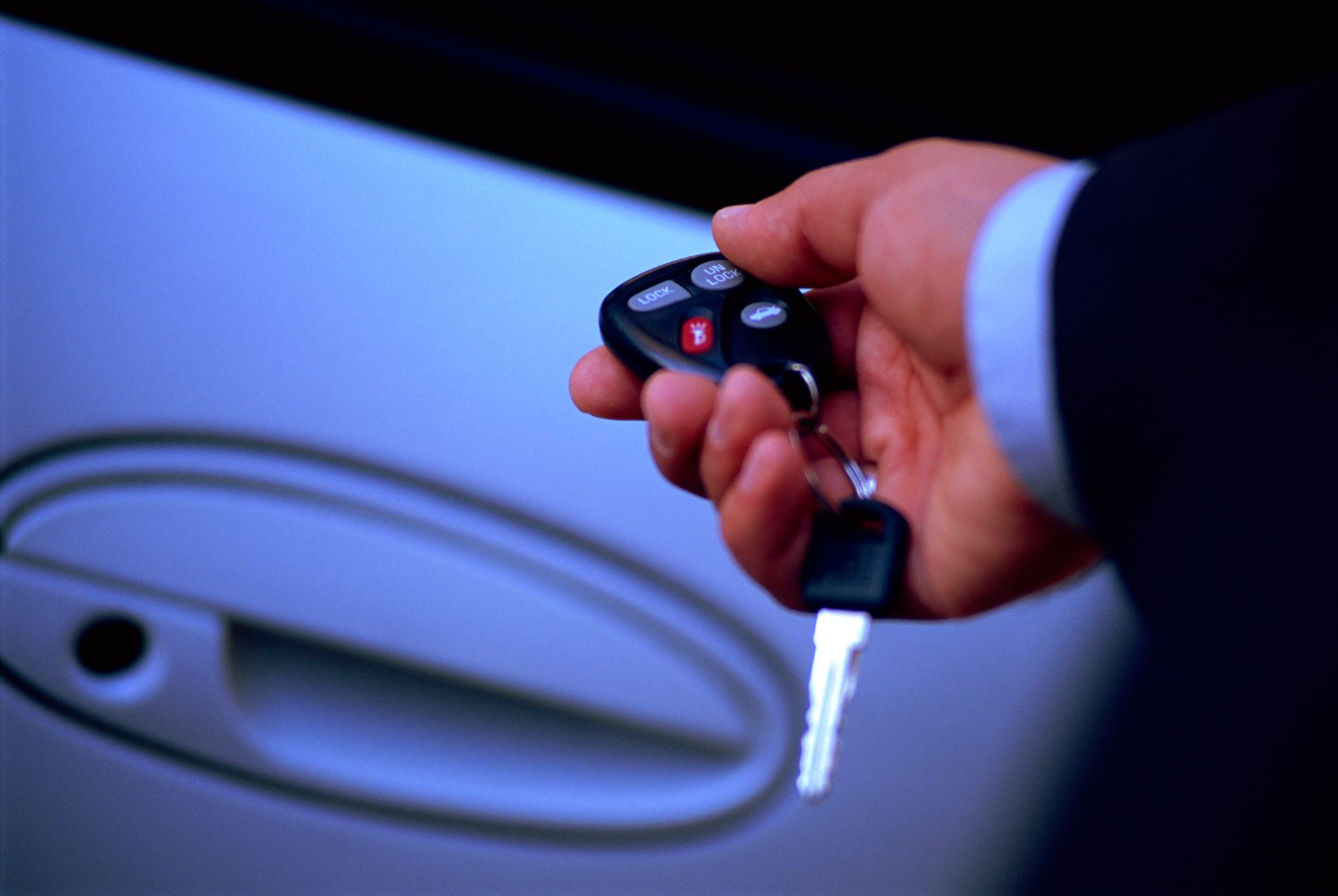
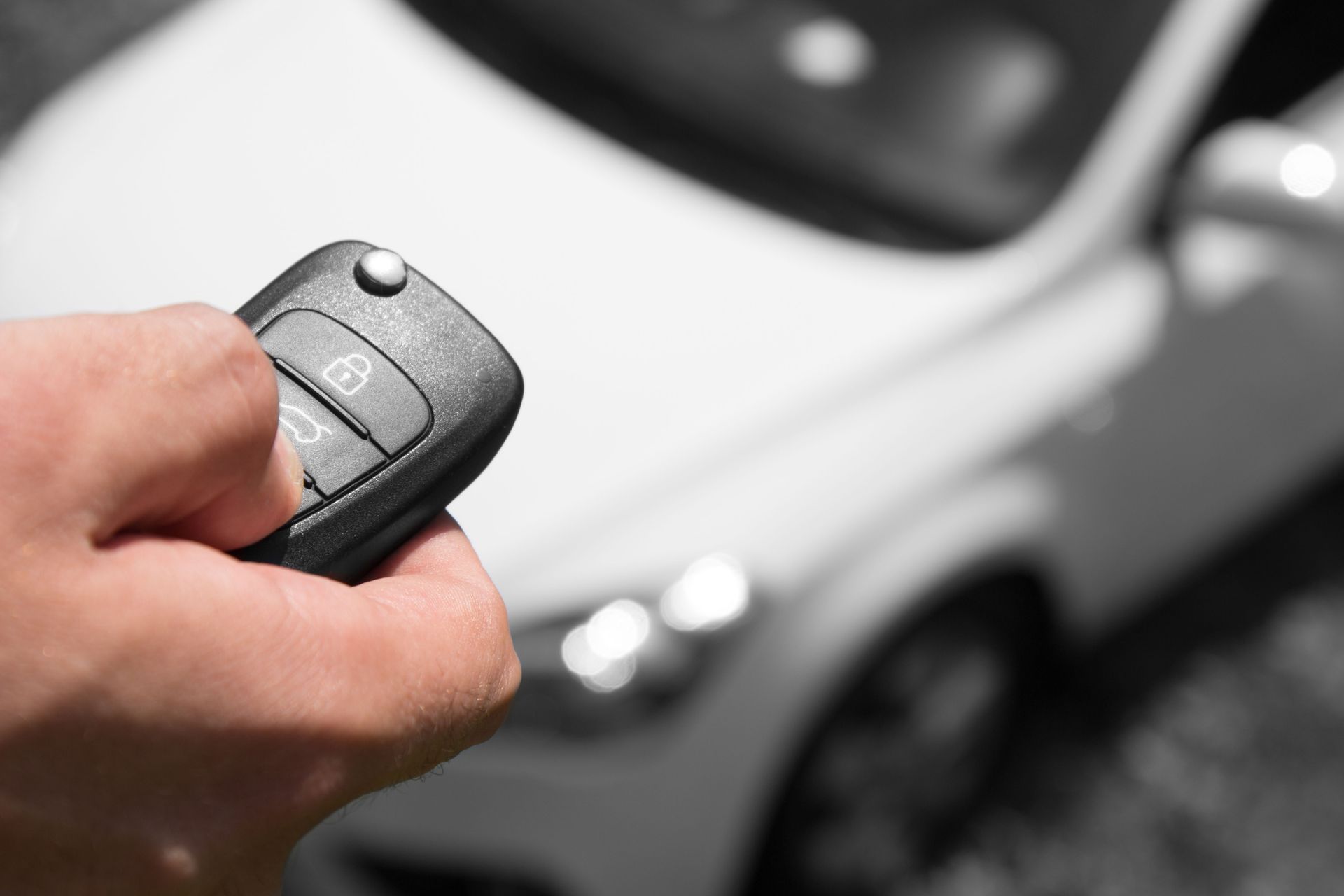
According to Safewise, many aftermarket car alarms can reach your vehicle for up to 3,000 feet, allowing owners to control and monitor their cars from a significant distance. This range makes it easier than ever to stay connected to your vehicle's security, no matter where you are.
Immobilizers Have Significantly Reduced Car Theft
One of the most impactful innovations in automotive security is the engine immobilizer. Introduced in the 1990s, this system prevents a car from starting unless the correct key or digital code is used. By cutting off fuel or ignition, immobilizers make it virtually impossible for thieves to hotwire a vehicle.
Studies show that immobilizers have contributed to a dramatic decline in vehicle theft rates worldwide. They've become a standard feature in most modern cars, and aftermarket systems can add this layer of protection to older vehicles as well.
These systems demonstrate how far auto security systems have evolved—from simple alarms that made noise to intelligent safeguards that prevent theft altogether.
GPS Technology Has Changed Vehicle Recovery
If a car does get stolen, GPS tracking has revolutionized how quickly it can be recovered. Many modern security systems now include built-in GPS modules that allow owners and law enforcement to locate stolen vehicles within minutes.
Real-time tracking provides exact coordinates, often leading to faster recovery and reduced property loss. Some systems even let owners remotely disable the engine once the car comes to a stop, ensuring it can't be driven away again.
Fleet owners and delivery companies also use GPS-enabled systems to monitor vehicle locations, track routes, and optimize logistics. This technology doesn't just deter theft—it helps improve efficiency and accountability in commercial operations.
Motion and Impact Sensors Provide Enhanced Detection
Another interesting feature of modern car alarms is their ability to detect motion and impact. Advanced sensors can distinguish between minor vibrations—like a passing truck—and significant impacts caused by attempted break-ins.
These sensors add precision and reduce false alarms, which were a common annoyance with older systems. Many auto security systems allow drivers to customize sensitivity levels so they can find the perfect balance between responsiveness and practicality.
Some even feature multi-zone detection, meaning they can monitor different areas of the car separately. For example, an impact on the driver's door might trigger a warning chirp, while a stronger hit to the windshield could sound a full alarm.
Smart Systems Integrate With Your Phone
One of the most convenient aspects of today's automotive security is smartphone connectivity. Many new vehicles—and most aftermarket alarm systems—offer apps that keep drivers informed in real time.
If someone tampers with your vehicle, you'll receive an instant notification on your phone. You can also start your engine remotely, unlock doors, or locate your vehicle on a map. Some systems even provide diagnostic information, alerting you to battery health, maintenance schedules, or fuel levels.
This level of integration makes modern auto security systems more user-friendly and interactive than ever before, turning your smartphone into a powerful security command center.
Keyless Entry Systems Offer Convenience and Risk
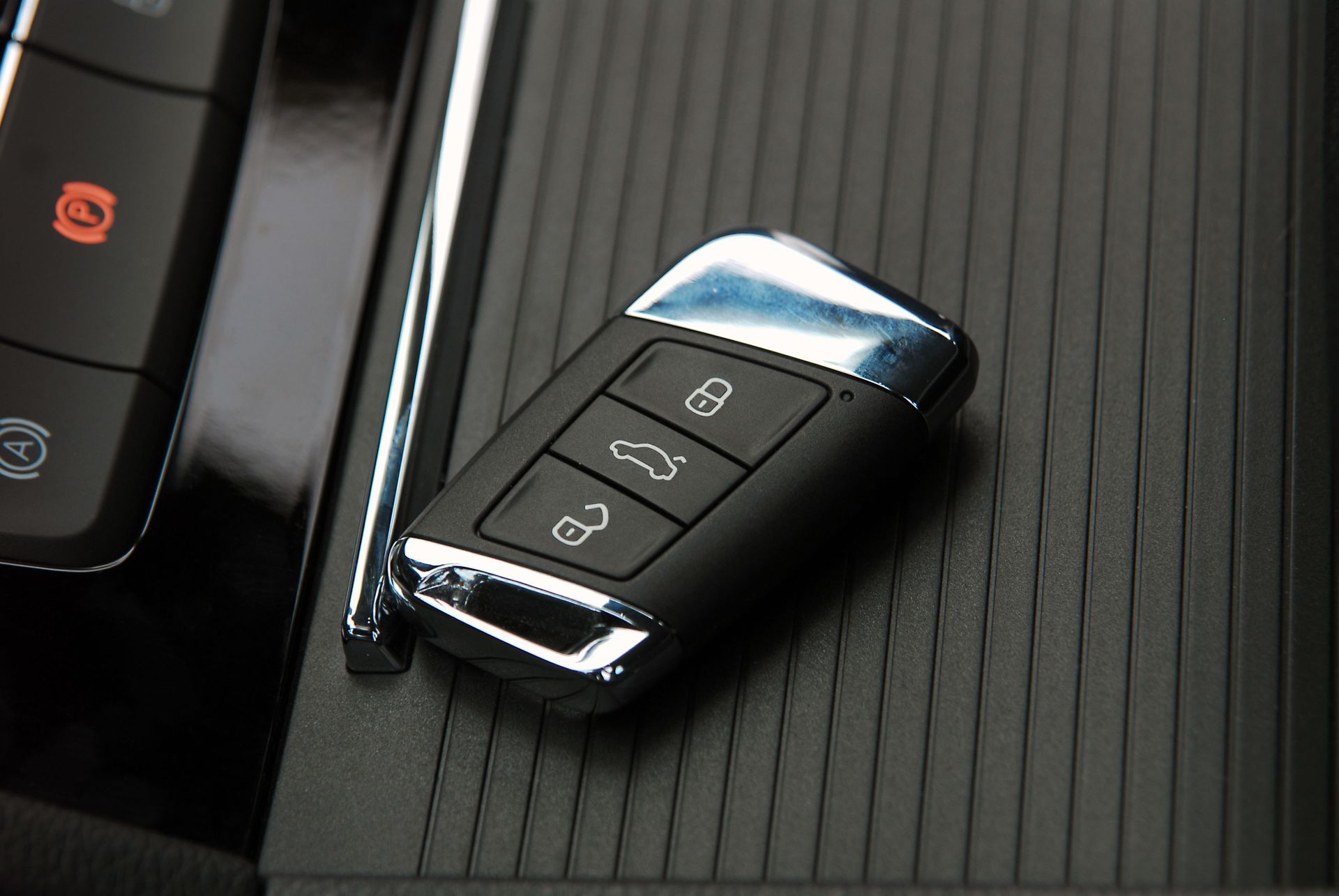
Keyless entry and push-button start systems have made driving easier—but they've also introduced new security challenges. Thieves can use “relay attacks” to intercept signals between key fobs and vehicles, unlocking cars without physical keys.
To counter this, automakers have developed advanced encryption protocols and motion-sensitive fobs that deactivate when not in use. Some drivers now store their key fobs in signal-blocking pouches, known as Faraday bags, to prevent remote hacking attempts.
This evolution illustrates how the security industry continually adapts to new technology—and how staying updated with the latest protection methods remains crucial for vehicle safety.
Cameras and Dash Systems Add an Extra Layer of Protection
Security cameras aren't just for homes anymore. Many vehicles now feature integrated cameras that monitor activity around the car, serving as both deterrents and evidence collectors.
Dash cams and 360-degree systems record footage whenever the car detects motion, capturing potential break-ins or hit-and-run incidents. These recordings can be used for insurance claims or shared with law enforcement, making them a valuable addition to modern vehicle security.
Some systems even send clips directly to your smartphone, giving you visual confirmation of what's happening in real time. Combining cameras with alarms creates a powerful, multi-layered defense against theft and vandalism.
Remote Start Adds Comfort and Security
Remote start systems were originally marketed for convenience—allowing drivers to warm or cool their vehicles before getting in—but they also serve as a security feature. When integrated with car alarms, remote start allows the engine to run without granting access to the vehicle itself.
The doors remain locked, and the vehicle cannot be driven until the key or authorized fob is present. This prevents theft while maintaining comfort for the driver.
Modern systems combine this feature with smartphone control, giving you flexibility and peace of mind no matter where you are. It's another example of how comfort and security go hand in hand in the latest auto security systems.
Auto theft may never disappear completely, but modern auto security systems make it harder than ever for criminals to succeed. From early electric alarms to advanced biometric protection and smartphone integration, vehicle security has come a long way in a short time.
With technology like GPS tracking, motion detection, and long-range remote access—some reaching up to 3,000 feet, according to Safewise—drivers now have more control and peace of mind than ever before. Whether you're protecting a daily commuter car or a prized classic, investing in a reliable system helps ensure your vehicle stays safe and secure.
Ready to upgrade your vehicle's protection? Contact our team at AudioSonic Car Stereo today to learn more about the latest auto security systems and find one that fits your lifestyle, budget, and peace of mind. We'll be happy to answer any questions you may have about our services. We want to ensure that your car is safe and sound all year long. Don't wait to visit our shop today to see how we can help improve your car's security. You'll be glad you did sooner rather than later!






























Share On: