
How Remote Start Installation Works With Modern Smart Key Systems
Modern vehicles continue to evolve with advanced convenience and security features, and remote start technology is a clear example of that progress. Drivers today expect seamless interaction with their vehicles, whether it involves unlocking doors, adjusting climate settings, or starting the engine from a distance. Remote start installation plays a critical role in delivering this convenience while working alongside sophisticated smart key systems. As these technologies become more integrated, understanding how they function together helps drivers make informed decisions about upgrading their vehicles.
Understand How Smart Key Systems Operate
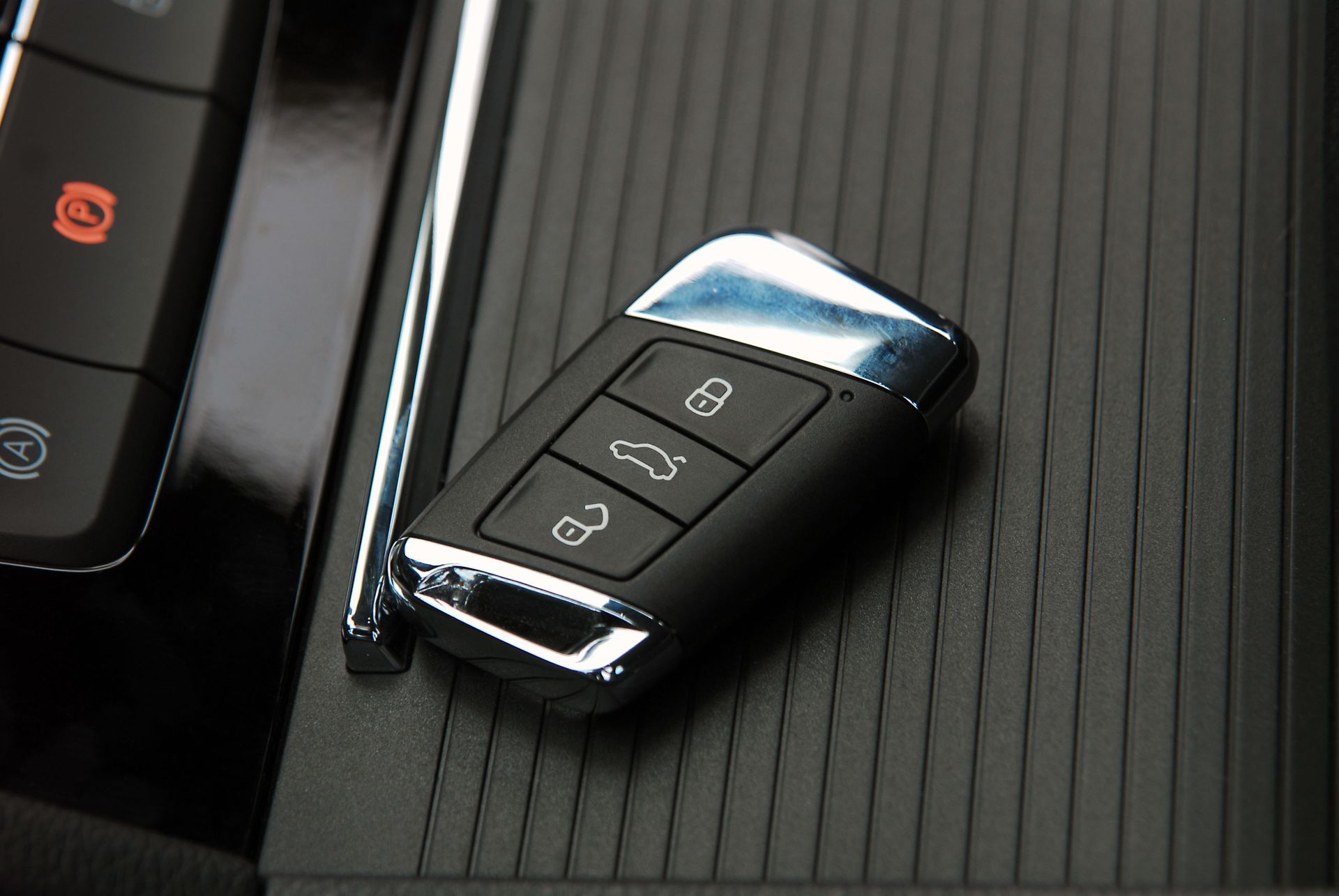
Smart key systems rely on wireless communication between a key fob and the vehicle. Instead of inserting a physical key, drivers can unlock and start their cars through encrypted radio frequency signals. These signals confirm authorization before granting access or enabling ignition. This process adds both convenience and a stronger layer of protection compared to traditional keys.
In addition to convenience, smart key systems reduce wear associated with mechanical components. Because there is no need for physical insertion, long-term durability improves. When paired with remote start, these systems create a more streamlined driving experience by allowing users to control multiple vehicle functions remotely.
Compare Smart Keys With Traditional Keys
Traditional keys depend on physical contact with locks and ignition systems, while smart keys operate wirelessly. This difference significantly impacts usability and security. Smart keys are far more difficult to duplicate due to encrypted communication, which helps reduce unauthorized access.
With remote start installation, this contrast becomes even more apparent. Traditional systems cannot support remote ignition without extensive modifications, while smart key platforms are already designed for integration. This compatibility allows drivers to enjoy added functionality without compromising existing security features.
Examine the Role of Radio Frequencies and Sensors
Radio frequencies serve as the backbone of smart key communication, transmitting signals between the vehicle and the key fob. Sensors enhance this system by detecting proximity, allowing doors to unlock automatically when the driver approaches. Together, these technologies create a responsive and intuitive user experience.
Remote start installation depends heavily on these same communication channels. By utilizing existing sensors and signal pathways, the system can initiate ignition remotely while maintaining secure authentication. This integration ensures that convenience does not come at the expense of safety.
Analyze Integration With Vehicle Security Systems
Modern vehicles incorporate multiple layers of security, including immobilizers and alarm systems. Smart keys work in coordination with these features to prevent unauthorized access. If an incorrect signal is detected, the system can disable ignition or trigger alerts.
Remote start installation must align with these protections to function properly. When installed correctly, the system communicates with factory security features rather than bypassing them. This ensures that remote ignition only occurs under authorized conditions, preserving the integrity of the vehicle’s security framework.
As industry demand grows, security technologies continue to expand. According to Globe Newswire, global vehicle access and anti-theft systems are projected to reach over 118.6 million units in 2024 with steady annual growth. This trend reflects increasing reliance on integrated systems like smart keys and remote start solutions.
Identify the Advantages of Smart Key Systems
Smart key systems provide several benefits, including convenience, enhanced security, and personalization. Drivers can unlock doors, start engines, and even adjust seat positions without manual input. These features contribute to a smoother and more efficient driving experience.
When combined with remote start, these advantages become even more valuable. Drivers can warm up or cool down their vehicles before entering, improving comfort during extreme weather. The ability to control these functions remotely adds a layer of practicality that aligns with modern expectations.
Break Down the Components of Remote Start Systems
A remote start system consists of several key components that work together to initiate ignition from a distance. The remote transmitter sends a signal, while the control module processes that signal and communicates with the vehicle’s electrical system. Additional components, such as antennas and wiring harnesses, support signal transmission and integration.
Remote start installation requires precise coordination between these elements. Each component must be compatible with the vehicle’s design to ensure reliable operation. Proper integration allows the system to function smoothly without interfering with existing electronics.
Explain the Role of Control Modules
The control module acts as the central processor for remote start systems. It interprets signals from the remote and executes commands that simulate the ignition process. This includes activating the starter, managing fuel delivery, and ensuring that safety conditions are met.
During remote start installation, the control module must be carefully programmed to align with the vehicle’s specifications. This ensures that the system operates safely and does not trigger alarms or disrupt other features. Accurate programming also supports long-term reliability and consistent performance.
Evaluate How Keyless Entry Impacts Remote Start
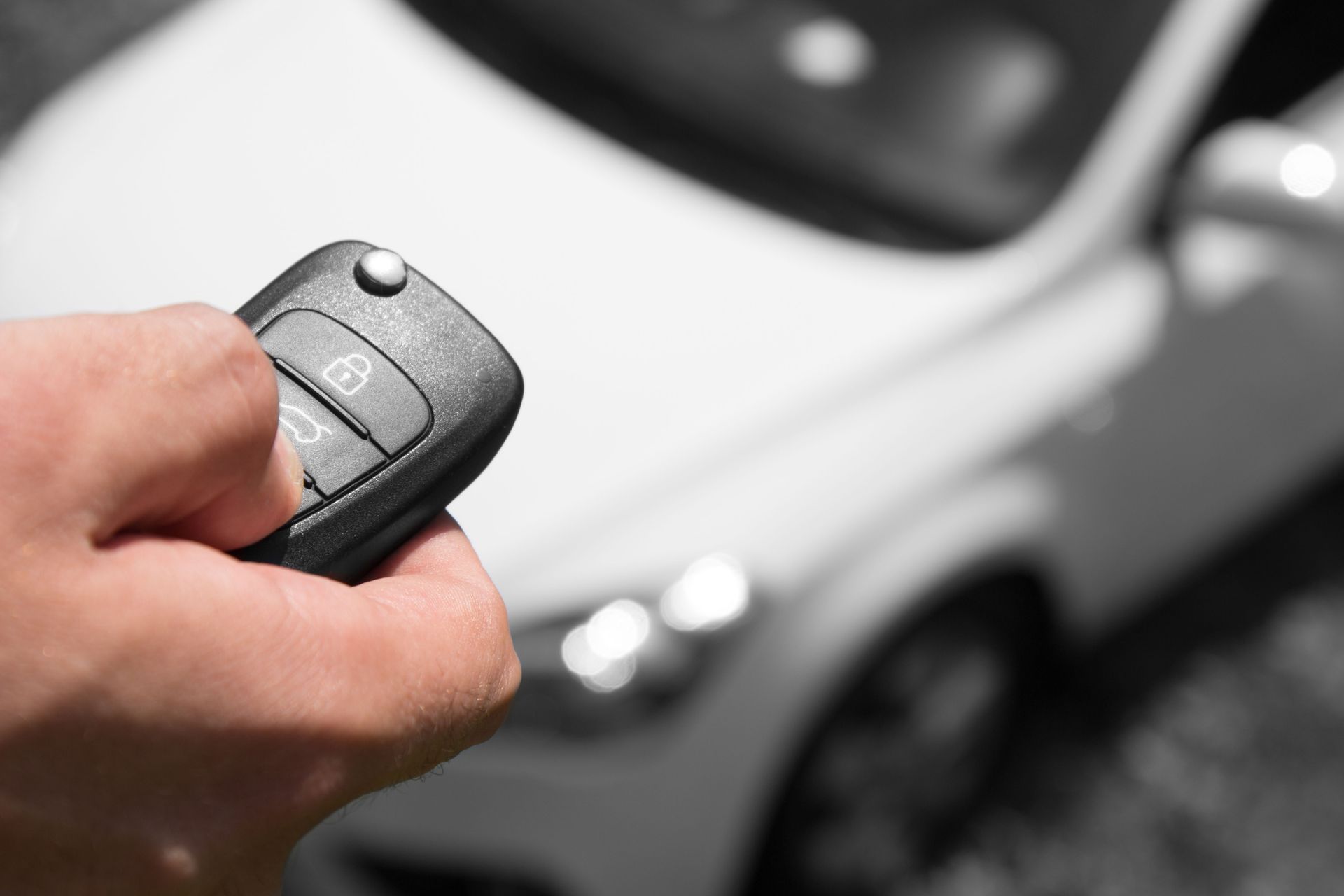
Keyless entry systems simplify vehicle access by removing the need for physical keys. This technology pairs naturally with remote start systems, as both rely on wireless communication. Together, they create a unified system that allows drivers to control entry and ignition seamlessly.
Remote start insertion enhances this integration by expanding functionality. Instead of only unlocking doors, drivers can start their vehicles remotely, making daily routines more efficient. This combination reflects the broader shift toward convenience-driven automotive design.
Understand Interaction With Vehicle Ignition Systems
Remote start systems replicate the traditional ignition process through electronic signals. When activated, the system engages the same components that would normally be triggered by turning a key or pressing a start button. This ensures that the vehicle operates as intended, even when started remotely.
Safety remains a priority during remote start insertion. Systems are designed to prevent operation under unsafe conditions, such as when the vehicle is not in park. These safeguards help maintain both functionality and security, ensuring dependable performance.
Assess the Importance of Vehicle Compatibility
Not all vehicles are equally suited for remote start systems, making compatibility a crucial factor. Each model may have unique wiring configurations, security features, and electronic systems that influence installation. Evaluating these factors ensures that the system integrates properly.
Remote start installation tailored to a specific vehicle reduces the risk of malfunctions and improves overall performance. Compatibility also helps preserve manufacturer warranties, which can be affected by improper modifications. Careful assessment leads to a more reliable and efficient system.
Prepare for a Successful Installation Process
Preparation is essential before beginning any installation. This includes reviewing vehicle specifications, identifying compatible components, and planning the placement of system elements. Attention to detail during this stage helps prevent complications later.
Professional remote start insertion ensures that all components are installed correctly and safely. Technicians follow structured procedures, including disconnecting the battery, mounting modules, and connecting wiring harnesses according to schematics. This approach minimizes errors and supports long-term system performance.
Interpret Wiring Diagrams Accurately
Wiring diagrams provide a roadmap for connecting remote start components to the vehicle's electrical system. These diagrams identify power sources, grounding points, and signal pathways, guiding technicians through the installation process.
Understanding these schematics is critical for successful remote start insertion. Accurate connections prevent electrical issues and ensure that the system operates as intended. Proper interpretation also supports safety by avoiding overloads or short circuits.
Complete Installation With Precision
The final stages of installation involve testing and calibration. Technicians verify that the system responds correctly to remote commands and that all safety features are functioning. Adjustments may be made to optimize performance and ensure seamless integration.
Remote start installation completed with precision delivers consistent results. From signal transmission to ignition activation, each component works together to provide a reliable and convenient user experience.
Upgrading your vehicle with remote start technology offers a practical way to improve comfort, convenience, and security. When integrated with smart key systems, these features create a seamless driving experience that aligns with modern expectations.
At AudioSonic Car Stereo, we provide solutions that bring these technologies together effectively. We focus on delivering remote start installation alongside automotive accessories, lighting, and car stereo services to enhance overall vehicle functionality. Contact AudioSonic Car Stereo today to learn how we can help upgrade your vehicle with advanced features designed for everyday convenience.































Share On: